
Architecture
Architecture
Components of API Connectivity Manager
The F5 API Connectivity Manager (ACM) is a solution to manage NGINX API Gateways (API GW). It includes 3 components:

1) Data-Plane | API Gateways (GW)
An API GW is a NGINX Plus instance that delivers microservices with reliability, speed and security across multiple environments (baremetal, VM, K8S container).

- Key API Gateways Tasks:
Authenticate API calls (AuthN): Control authentication with Basic Auth, OAuth 2.0/OIDC, JSON Web Tokens (JWT)
Control access to resources (AuthZ): Use JSON Web Tokens (JWT), API keys
Route and manage API traffic: Apply rate limiting, quotas, TLS and more to control and route traffic through the gateway
Gain visibility into API traffic: Create logs for monitoring and visibility into API traffic
Why NGINX Plus?
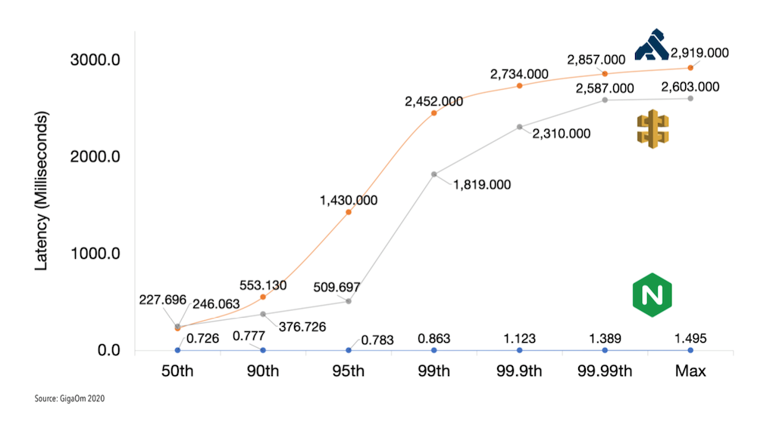
Regarding Gigaom report here, N+ deliver APIs with lower latency and higher through-put than competitors
2) Data-Plane | Developer Portal
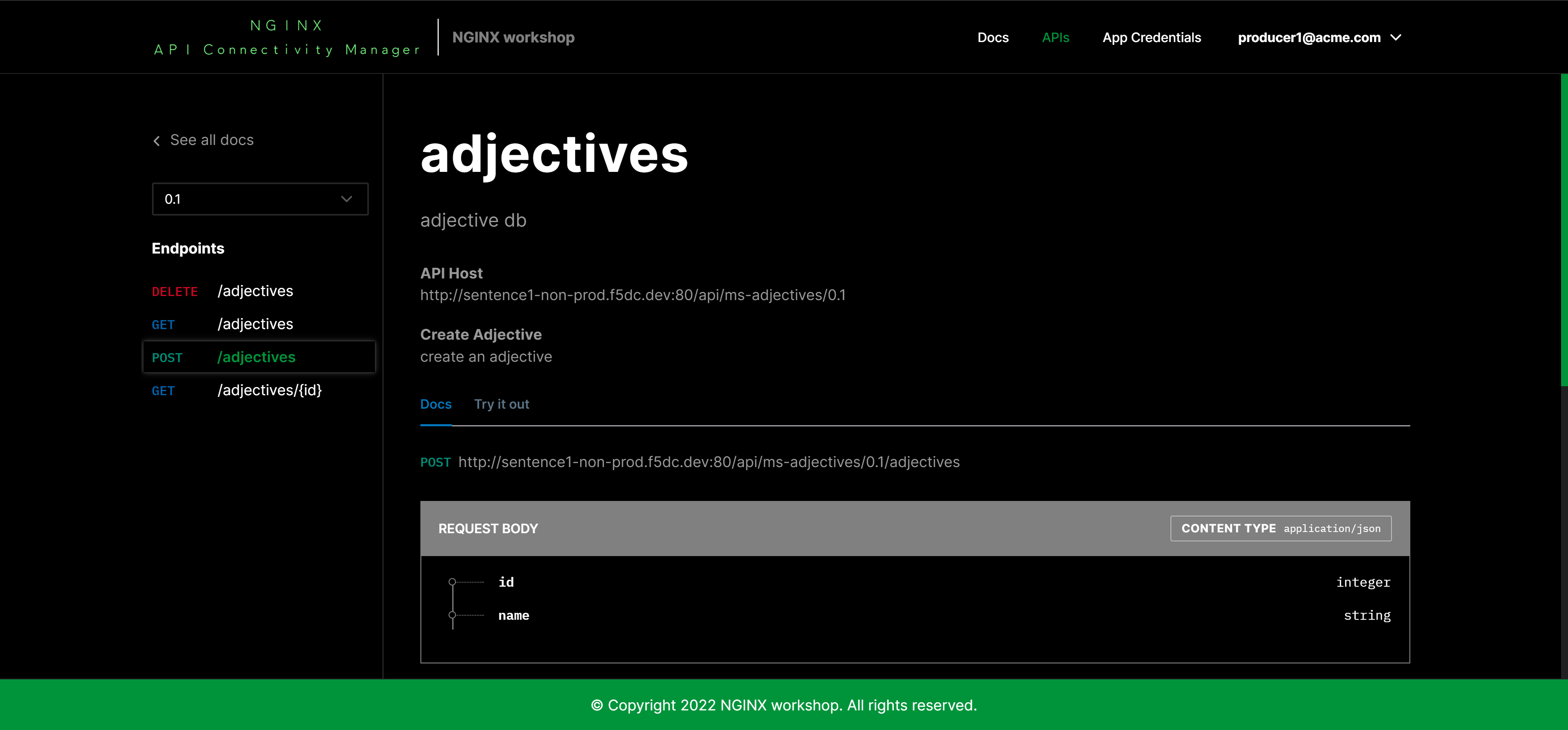
A Developer Portal is a NGINX Plus instance that delivers API Documentation and Self Service management of API access (API Keys). A Developer Portal enables internal and external Producers to rapidly discover, onboard and use APIs in their projects with consistent documentation and versioning.
3) Control-Plane & Management-Plane | Central Manager
A Central Manager provides uniform and consistent oversight for platform environments, API specifications and configurations from a single pane of glass. Central Manager is the product NGINX Management Suite that includes 2 modules:
Control-Plane | Instance Manager: represents the core functionality of NGINX Management Suite. Operating within the control plane, Instance Manager simplifies configuration and monitoring of your NGINX fleet.

Management-Plane | API Connectivity Manager: simplifies governance of API in your organization, delivers API across your NGINX fleet and enforce consistent API Security.

Infrastructure & flows
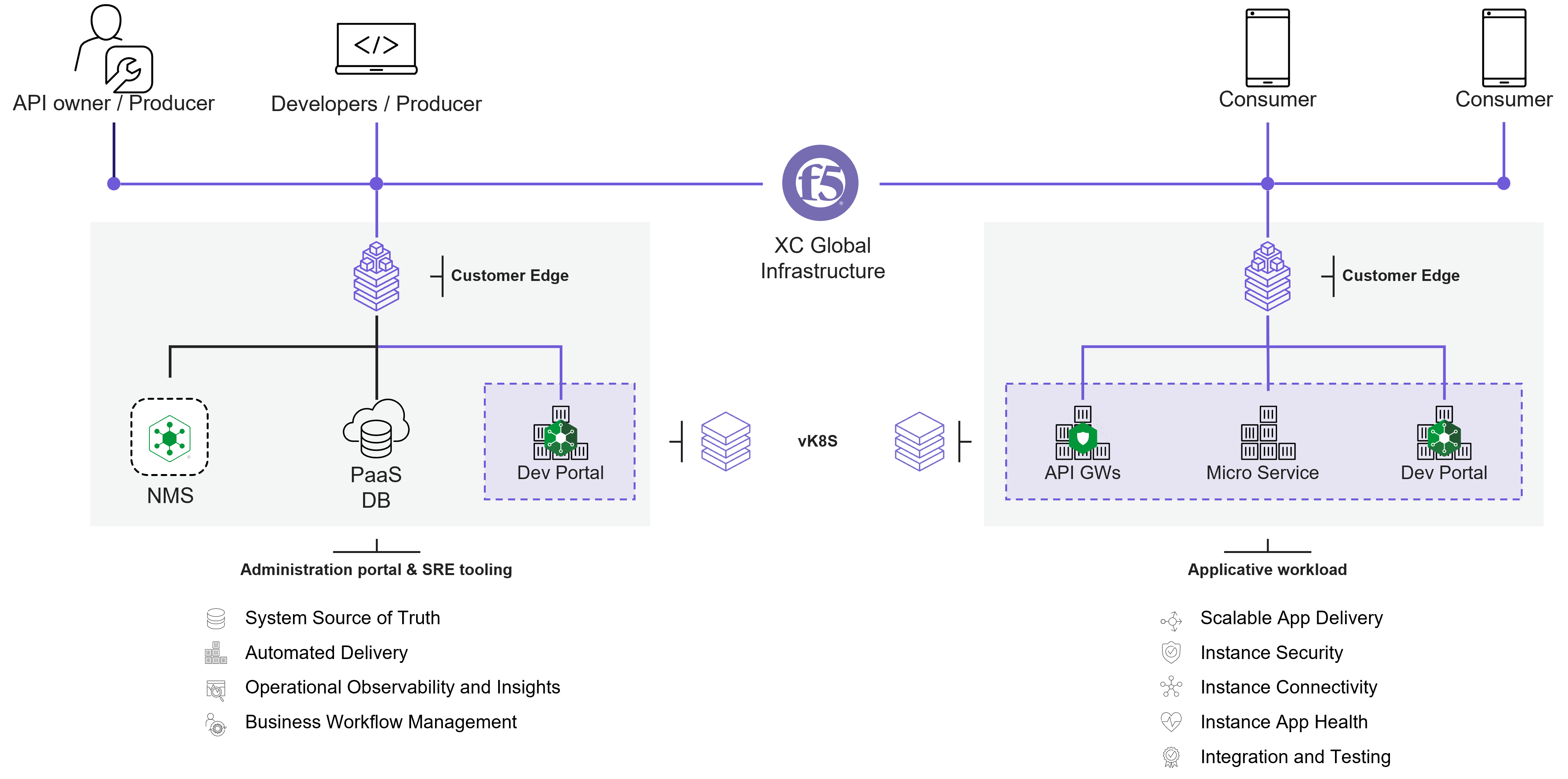
For this Lab, components are deployed on Microsoft Azure and across different regions.
XC Global Infrastructure
F5 Distributed Cloud (XC) Global Infrastructure is a Multi-Cloud Networking Software
that creates a virtual Backbone between sites:
Regional Edges (RE) or F5 POPs that interconnect Internet Service Providers, Cloud Service Providers and Customer Private Links
Customer Edges (CE) that are hosted in customer landing zones (On Premise, Private or Public Cloud) and are interconnected to REs via secured VPN tunnels
XC App Stack
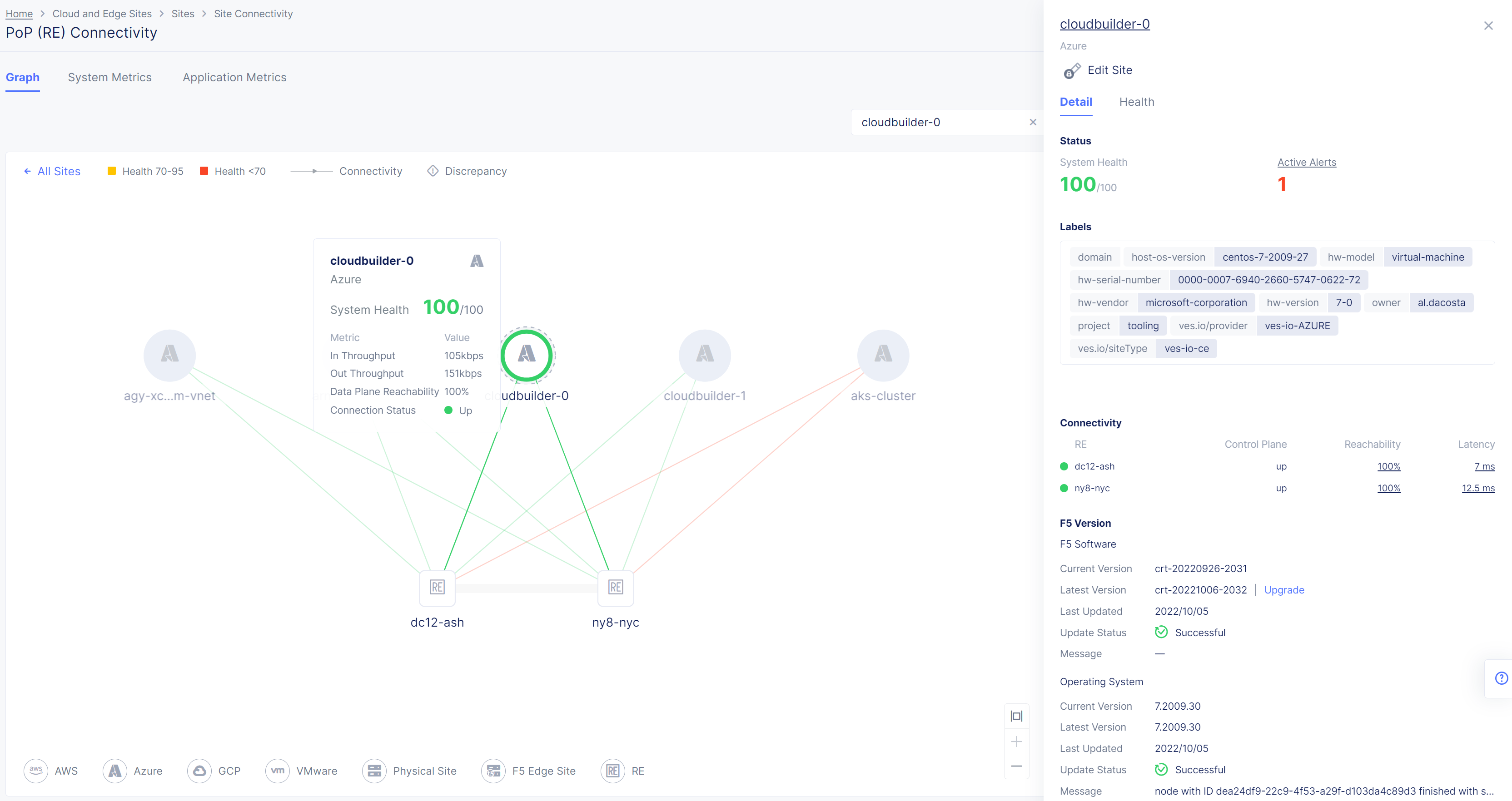
Each site (RE or CE) is a Kubernetes clusters of 1 or 3+ nodes.
A virtual site is a logical group of sites with same label(s) set.
F5 Distributed Cloud (XC) AppStack is a Virtual Kubernetes (vK8S) cluster deployed across a virtual site.
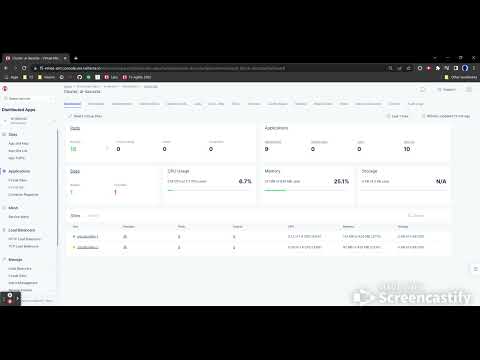
Short demo video that shows sites, a virtual site and vK8S:
Central Manager
NGINX Management Suite (NMS) is hosted on a VM and accessible from API owners on Internet. NMS UI/API is published and secured by F5 XC.

API GWs
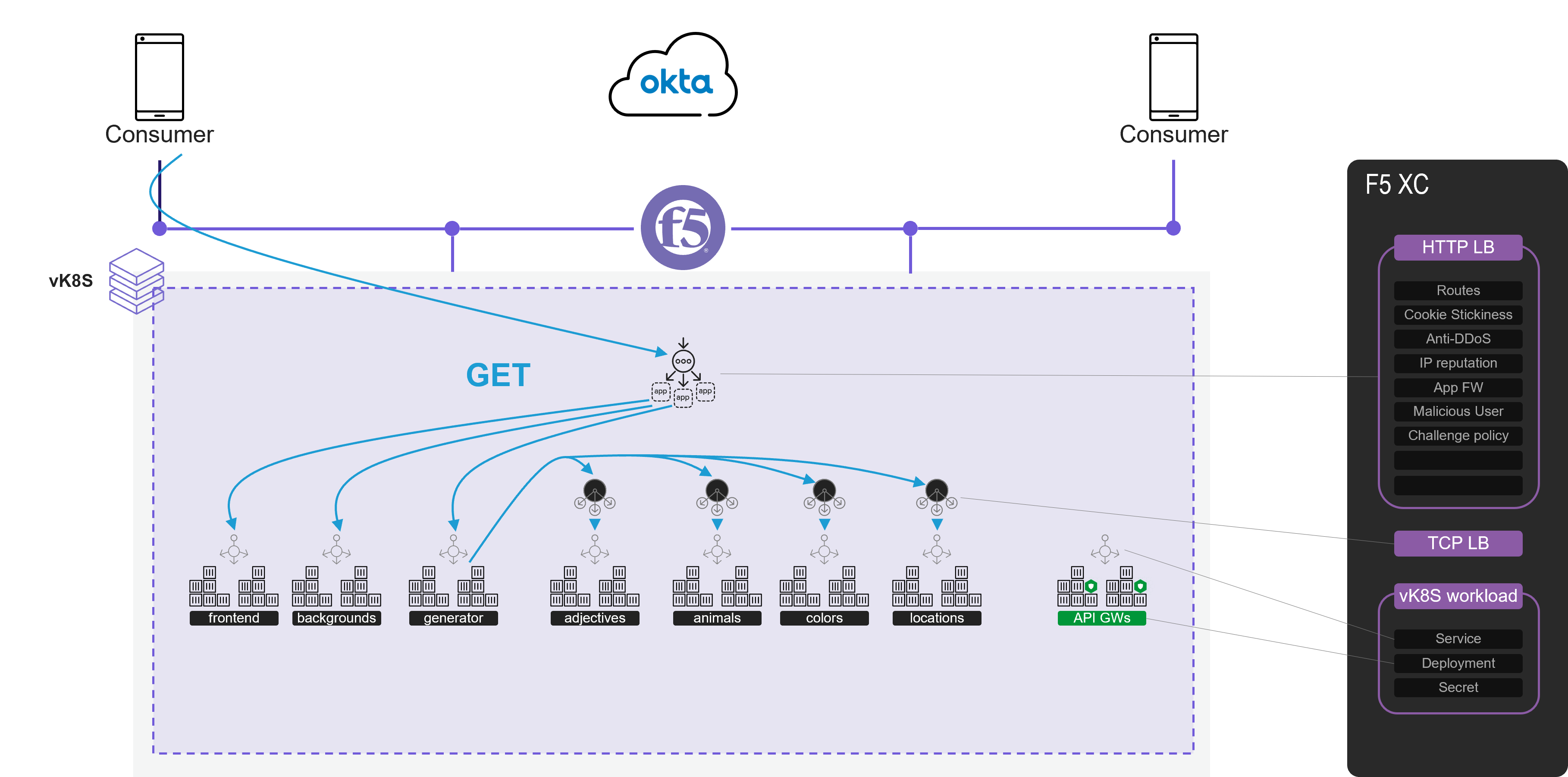
API gateway instances are hosted on Containers and deployed on vK8S, in closest regions where consumers are present. A consumer can be a endpoint/edge on Internet or another micro-service present in vK8S. Application Services are published and secured by F5 XC.

NMS communicates with managed API gateways through a GRPC session initiated by a nginx-agent installed on API gateways.
Communications are forwarded through F5 XC virtual backbone.

Developer Portal
Developer Portal instances are hosted on Containers and deployed on vK8S, in closest regions where developers are present. Developer Portals are published and secured by F5 XC.

- NMS communicates with managed Developer Portals through:
nginx-agentsessions, as seen for API GWs,and a
nginx-devportalservice: NMS initiates REST API calls to anginx-devportalservice that is published and secured by F5 XC.

Persistent data of Developer Portals, from all regions, are stored in a PaaS DB (Azure Database for PostgreSQL) available in only one region. Communications are forwarded through F5 XC virtual backbone.

Sentence app
For this lab, Sentence application is deployed.
Components
Sentence is based on multiple decoupled services:
frontend: Web UI that generates an HTML page and delivers a Single Page Application (JavaScript).
background: a micro-service that returns (GET) a background image
generator: a micro-service that generates a Sentence by aggregating an adjective, an animal, a color and a location
adjectives: a micro-service that returns (GET) an adjective
animals: a micro-service that returns (GET) an animal
colors: a micro-service that returns (GET) an color
locations: a micro-service that returns (GET) an location
End user authentication | oAuth OIDC + PKCE
End user must be authenticated to CREATE a new adjective, animal, color or location. Authentication is handled by API GW that leverages Okta as an Identity Provider.

oAuth/OIDC flow is described in picture below and here.

PKCE is used to make Sentence apps more secure, see explanations here.
Application authentication | API Key
Client, for example a mobile app, must be authenticated to CREATE a new color. Authentication is handled by API GW and authentication is based on API key provided by the application.